
An international study identifies a combination of drugs that improves the survival of patients with advanced lung cancer
Scientific Culture and Innovation Unit
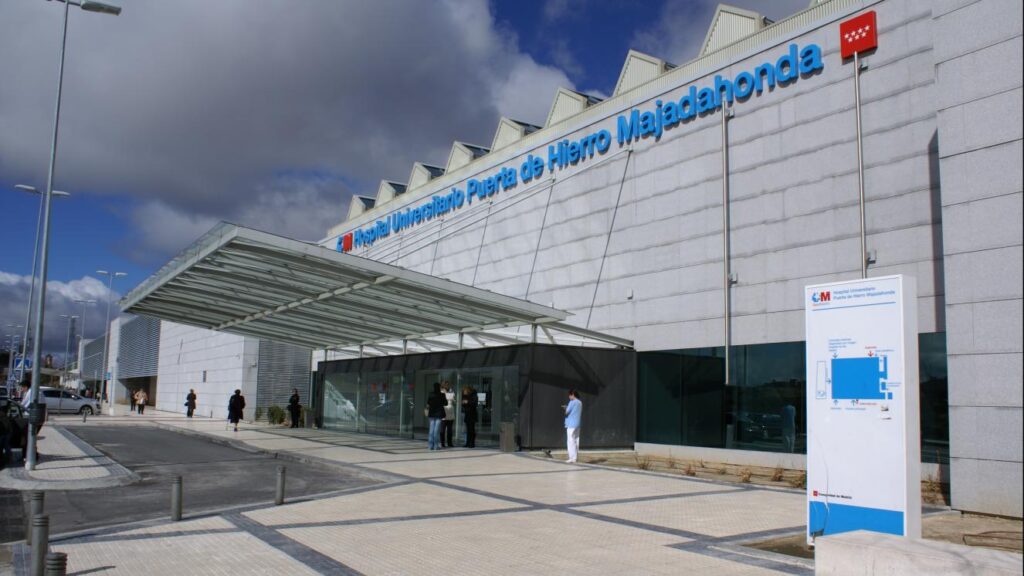
The Puerta de Hierro Majadahonda University Hospital has participated in the international clinical trial SAFRON, the results of which show that the combination of two drugs, osimertinib and savolitinib, improves the survival of certain patients with advanced lung cancer. The study represents a breakthrough in the treatment of those tumors for which treatment options are limited.
Non-small cell lung cancer (NSCLC) is the most common type of lung cancer and accounts for 80-85% of diagnosed cases. In recent years, the treatment of these patients has advanced considerably thanks to the combination of different strategies, such as chemotherapy and immunotherapy. However, not all patients respond in the same way. In some cases, depending on the characteristics of the tumor, they may develop resistance mechanisms that reduce the effectiveness of initial treatments and favor the progression of the disease. This situation represents one of the main challenges in the management of this disease.
In this context, an international research group, in which Dr. Mariano Provencio, head of the Medical Oncology Service at the Puerta de Hierro University Hospital, participates, has studied a new combination of drugs aimed at patients with advanced lung cancer. The study, named SAFRON, has shown that this strategy improves both the survival of patients and the disease progression-free survival, that is, the period during which the disease remains stable and the tumor does not grow or spread to other parts of the body.
The results of this work have been presented at the Congress of the European Society of Medical Oncology (ESMO) and have been published in the scientific journal The New England Journal of Medicine.
A new strategy that improves patient survival
The study involved 338 patients from different countries and compared the efficacy of the combination of two drugs, osimertinib and savolitinib, against conventional chemotherapy. The data showed that patients treated with this combination had a 45% reduction in the risk of disease progression or death compared to those receiving chemotherapy.
In addition, the study demonstrated an improvement in overall survival of the patients. Specifically, the median overall survival, which indicates the time during which half of the patients are estimated to be alive since the start of the study, was 17.8 months in the group treated with the new combination, compared to 12.9 months in the group treated with chemotherapy. These data point to a new therapeutic option for a group of patients in whom treatment alternatives are limited. As for safety, the most common side effects associated with the drug combination were edema, anemia, and diarrhea.
Combination of drugs to obtain better results
This work proposes a new drug combination aimed at a specific group of patients with CPNM, those whose tumors present certain genetic alterations or mutations that favor the growth and survival of cancer cells. These include mutations in the epidermal growth factor receptor (EGFR) gene, present in approximately 30% of patients with non-small cell lung cancer worldwide.
To treat these tumors, there are targeted therapies that specifically block the activity of EGFR, preventing tumor cells from continuing to grow and multiply. This is the case with osimertinib, one of the two drugs evaluated in this study. However, although this drug effectively controls the disease for a time, the tumor eventually develops resistance to treatment, reducing its effectiveness. One of the possible causes may be the presence of other genetic alterations in the tumor, such as mutations in the MET gene, involved in the growth of tumor cells and associated with a worse prognosis.
In this situation, the researchers evaluated the combination of osimertinib with savolitinib, a drug designed to specifically block the activity of MET. The strategy therefore consists of acting simultaneously on two molecular pathways involved in tumor growth: EGFR and MET. In this way, the goal is to overcome resistance mechanisms that may appear during treatment and improve its results.
A great advance towards precision medicine
Lung cancer remains one of the most frequently diagnosed cancers worldwide, and in Spain it is the leading cause of cancer-related death. The results of this study reinforce the importance of precision medicine in oncology, which relies on identifying the specific characteristics of each tumor in order to select the most appropriate treatments for each patient.
The participation of Dr. Mariano Provencio in this international study highlights the involvement of the Medical Oncology Service of the Puerta de Hierro Majadahonda University Hospital in clinical research and the development of increasingly individualized strategies against cancer.
Reference: Lu, S., Girard, N., Yang, J. C., Shepherd, F. A., Dong, X., Arulananda, S., Metro, G., Hayashi, H., Bonanno, L., Kim, Y. J., Liu, Z., Ahn, M. J., Sun, Y., Le, T. V., Novello, S., Kim, S. W., Zhao, Y., Nguyen, P., Brandão, M., Wang, Y., … SAFFRON Investigators (2026). Osimertinib-Savolitinib in gevorderd NSCLC na progressie tijdens EGFR-KI-therapie. The New England journal of medicine, 10.1056/NEJMoa2611335.